
Ube vs purple yam: are they really the same ingredient?
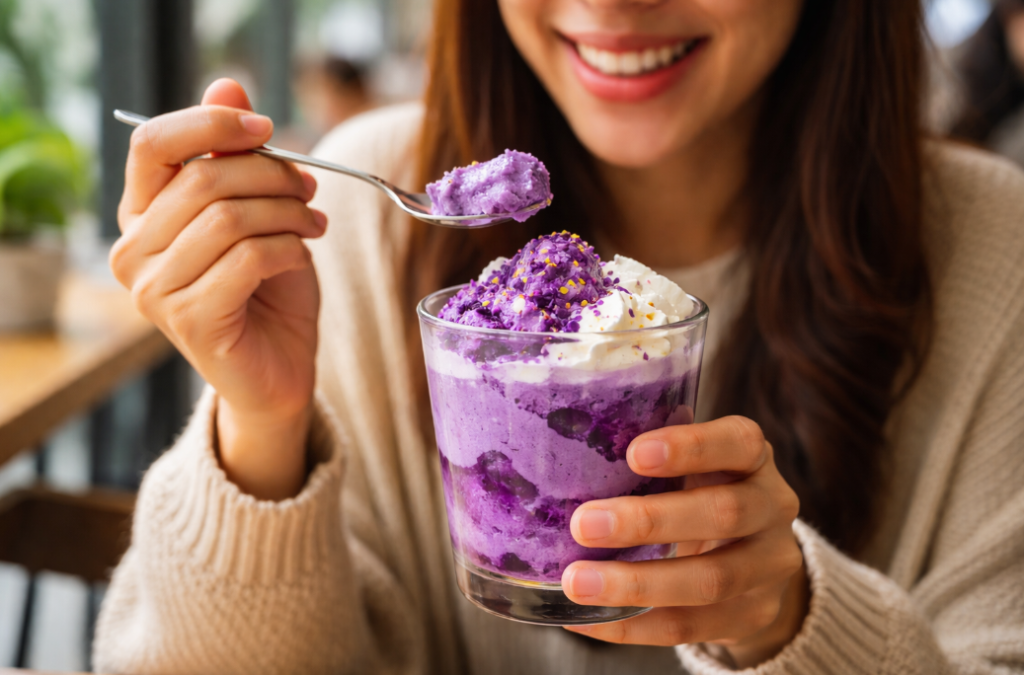
Purple desserts have taken over bakeries, social media feeds and home kitchens across the UK. Yet one question keeps resurfacing: is ube just another term for purple yam, or are they genuinely different? If you have ever hesitated between the two while planning a cake, ice cream or savoury dish, you are not alone. The confusion is understandable. Both display a striking violet hue, both originate from tropical regions, and both are described as sweet, starchy tubers. Still, the similarity in colour hides meaningful distinctions in flavour, botanical identity and culinary performance. Understanding these differences matters, particularly if you want reliable results in baking or an authentic flavour profile in traditional recipes. Think of it like choosing between two instruments that look alike but produce subtly different sounds; the nuance shapes the final experience. The aim here is simple: clarify what ube truly is, explain what purple yam refers to, and help you decide which one suits your needs. No vague generalities, just clear and factual comparisons that answer exactly what you came to find out.
What exactly is ube?
Ube refers specifically to Dioscorea alata, a species of yam widely cultivated in the Philippines and other parts of Southeast Asia. It is sometimes called “greater yam” in English, yet the Filipino term “ube” is now commonly used in international food culture. Its flesh ranges from lavender to deep violet, often with a uniform and vibrant colour that remains stable after cooking. From a sensory perspective, ube stands out because of its distinct sweet and nutty flavour. Many describe hints of vanilla, coconut or pistachio within its profile. That aromatic complexity explains its popularity in desserts such as ube halaya, cakes, cheesecakes and ice creams. Unlike some other yams, ube does not simply provide starch and colour; it contributes a recognisable flavour identity.
Texturally, ube tends to be smooth and creamy when boiled or steamed, making it suitable for purées and fillings. It contains a balanced starch content that allows it to hold structure without becoming overly dry. Its culinary role in Filipino cuisine is central rather than decorative. In international markets, fresh ube can be harder to find. Many consumers encounter it as frozen grated tuber, powder, flavour extract or paste. When purchasing products labelled as ube, it is important to check whether they contain real tuber or simply colouring and flavouring. If you are sourcing ingredients online, especially when browsing for purple yam varieties, verifying the botanical name helps ensure you are indeed buying Dioscorea alata rather than another purple-fleshed root vegetable.
What does the term purple yam actually mean?
The phrase purple yam is far less precise. It can refer to several yam varieties that display purple or violet flesh. In many contexts, it is used as a translation for ube. In others, it denotes entirely different cultivars grown in Africa, the Caribbean or parts of Asia. Yams belong to the genus Dioscorea, which includes hundreds of species. Colour alone does not define a single species. Some purple yams are mildly sweet, others more neutral. Some have fibrous textures, others smoother flesh. Because “purple yam” functions as a descriptive label rather than a strict botanical term, it creates ambiguity in recipes and product labelling.
In supermarkets outside Southeast Asia, packaging may display “purple yam” while containing ube. In African grocery shops, however, purple yam might refer to another species with a firmer texture and subtler flavour. This lack of standardisation explains much of the confusion surrounding the comparison. Colour intensity also varies. Certain purple yams present a mottled interior rather than the vivid uniform tone associated with Filipino ube. When baked, the hue may fade or turn greyish, depending on starch composition and anthocyanin stability.
Botanical classification and origin differences
To answer whether ube and purple yam are the same, botanical clarity is essential. Ube is Dioscorea alata. Purple yam may include Dioscorea alata but can also encompass other species within the same genus. The difference lies in specificity. Ube is a defined species with documented characteristics; purple yam is a broader descriptive category.
Geographically, ube holds strong cultural significance in the Philippines, where it is cultivated extensively. Other purple yams grow in West Africa, the Caribbean and India. Climate, soil composition and cultivation methods influence flavour and starch content, creating noticeable culinary variation.
From a nutritional standpoint, most yams share similar profiles:
- Complex carbohydrates
- Dietary fibre
- Vitamin C
- Potassium
- Anthocyanins
Anthocyanins are the pigments responsible for the purple colour. Their concentration affects both vibrancy and potential antioxidant activity. While the nutritional differences between species are generally modest, flavour and texture differences can be more pronounced.
Flavour and texture: where the real distinction lies
For anyone deciding which ingredient to use, flavour and texture matter more than taxonomy. Ube typically delivers a naturally sweet, creamy and aromatic taste. When cooked and mashed, it forms a smooth purée with minimal fibre. This makes it ideal for desserts where consistency must be controlled, such as layered cakes or custard-based preparations. Other purple yams may be less sweet and more earthy. Some varieties require longer cooking times to soften fully. Fibre content can be higher, resulting in a denser mash. In savoury dishes, this earthier profile can be desirable. In delicate desserts, it may alter the expected flavour balance.
Texture also influences baking chemistry. Starch composition determines moisture retention and structure. Ube tends to integrate smoothly into batters, contributing colour without excessive dryness. Certain alternative purple yams might absorb more liquid or produce a heavier crumb. The difference can feel subtle, yet in refined recipes it becomes decisive. It is similar to choosing between two varieties of potato for roasting; they belong to the same broader category, yet their performance diverges under heat.
How to choose the right ingredient for your recipe?
If authenticity in Filipino cuisine is your priority, selecting genuine ube is advisable. Its signature flavour defines traditional preparations such as ube halaya. When the goal is visual appeal with less emphasis on aromatic sweetness, another purple yam might suffice.
Check the botanical name where possible. If purchasing frozen or powdered forms, look for clear labelling that specifies Dioscorea alata. Evaluate texture requirements in your recipe. For smooth fillings and desserts, a creamy consistency is preferable. For stews or roasted dishes, firmer varieties can work well. Price and availability may also influence your choice. Ube products often command higher prices due to demand and import logistics. Locally available purple yam varieties can be more economical.
Final thoughts on ube and purple yam
Ube and purple yam are closely related yet not automatically identical. Ube refers to a specific species celebrated for its sweet, creamy and aromatic character. Purple yam describes a broader group of violet-fleshed yams that may vary in flavour and texture. Understanding that distinction prevents disappointment in the kitchen and ensures you select the ingredient that truly matches your culinary intention. If you are seeking the classic flavour behind vibrant Filipino desserts, ube is the precise choice. If your focus is colour and versatility, certain purple yams may serve you just as well. The key lies in knowing what stands behind the label before you start cooking.
