
Etched in Memory: How to Replicate a Loved One’s Handwriting Using an AI-Powered Tattoo Font Generator
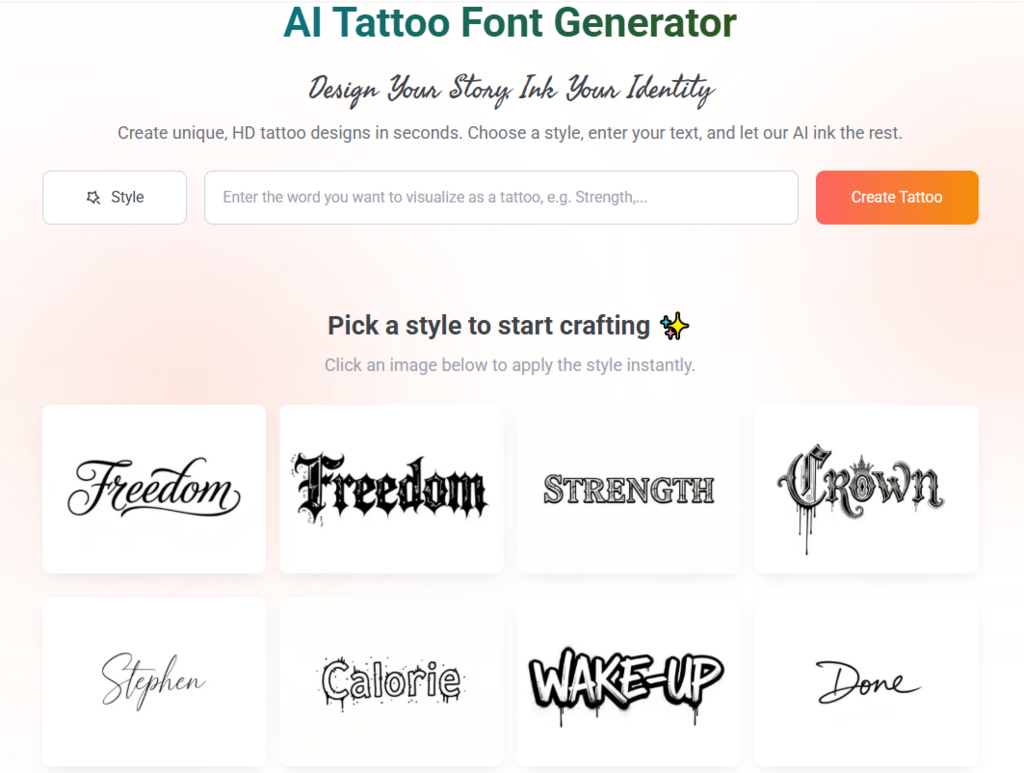
Tattoos have long served as a profound medium for storytelling, but perhaps no category is as deeply personal as the memorial tattoo. For many, the ultimate tribute to a lost family member or friend is to carry a piece of their physical essence on their skin—specifically, their unique handwriting. Whether it is a quick note from a birthday card, a signature on a faded letter, or a simple “I love you” scrawled on a post-it note, handwriting is a biological fingerprint of a person’s presence. However, the path from a blurry, decades-old scrap of paper to a crisp, permanent piece of body art is fraught with technical challenges. This is where a specialized tattoo font generator becomes more than just a design tool; it becomes a bridge between past and present.
The Emotional Weight of Handwritten Memorial Tattoos
When we lose someone, we cling to the tangible remnants of their lives. A voice recording, a photograph, or a piece of clothing offers comfort, but handwriting feels uniquely intimate. It captures the rhythm of their hand, the pressure of the pen, and the quirks of their personality. A shaky “Grandma” or a bold, sweeping signature from a father carries an emotional resonance that a standard computer font simply cannot replicate.
The primary pain point for users seeking these tattoos is the “fidelity gap.” Often, the source material is compromised. Paper yellows, ink bleeds over time, or the original writing might have been rushed or shaky. When a user takes a low-quality photo of this writing to a tattoo shop, the artist is forced to “trace” or “interpret” the lines. If the artist isn’t a specialist in script, the soul of the handwriting can be lost, resulting in a tattoo that looks “close” but feels “off.” An AI-powered tattoo font generator solves this by using advanced machine learning to analyze the structural DNA of the handwriting, allowing for a restoration that preserves the original’s authentic feel.
Why Traditional Design Methods Often Fall Short
Before the advent of sophisticated digital tools, the process of creating a memorial script tattoo was purely manual. This presented several risks:
- Interpretive Error: Every artist has their own “hand.” When a tattooist traces a signature, they subconsciously apply their own stroke habits to the design, subtly altering the slant or the loops of the original letters.
- Resolution Loss: Scaling a 1-inch signature from a check up to a 4-inch forearm piece often results in pixelation and loss of detail.
- The “Muddy” Effect: Handwriting is often messy. Without a tool to clean up the “noise” (like paper grain or ink blots) while keeping the “signal” (the letter shape), the resulting stencil can be confusing for the artist to follow.
By utilizing a tattoo font generator, the user can transform a static, low-resolution image into a dynamic, scalable vector. The AI recognizes the specific ligatures and kerning inherent in the loved one’s style, ensuring that the final output is a perfect, high-definition replica that honors the original intent.
The Role of AI in Preserving Authentic Legacy
Modern AI-driven platforms have revolutionized how we interact with typography. Unlike basic font generators that merely swap one character for another, a dedicated tattoo font generator focuses on the “flow” of the text. For memorial pieces, the AI doesn’t just find a “similar” font; it helps the user reconstruct the specific handwriting style.
Capturing the Nuances of Pressure and Slant
Handwriting is rarely perfectly horizontal or consistent in weight. A grandfather’s writing might be heavy on the downstrokes but light on the connectors. The AI analyzes these pressure points. When you use a high-quality generator, you can adjust the “stroke weight” to match exactly how the pen hit the paper in that specific memory.
Restoring Faded Scripts
For letters that have faded over decades, the AI can “fill in the blanks” by predicting the most likely path of the pen based on the surrounding characters. This is a game-changer for those who only have a few legible words left from a loved one. The tattoo font generator allows you to rebuild the sentiment with technical accuracy, giving the tattoo artist a clean, professional stencil to work from.
Step-by-Step: From Scraps of Paper to Permanent Ink
If you are planning a memorial tattoo, the workflow should prioritize precision. Here is how to use modern technology to ensure your tribute is perfect:
1. High-Resolution Digitalization
Don’t just take a quick photo with your phone in low light. Scan the document if possible, or use a scanning app that flattens the image and maximizes contrast. The clearer the input, the more accurately the tattoo font generator can analyze the script.
2. Isolate the Core Sentiment
In a long letter, find the specific words that carry the most meaning. Use the generator to isolate these characters. The AI will help you separate the handwriting from the background noise of the paper, creating a “clean” version of the text.
3. Adjust for Placement and Longevity
Skin is not paper. A signature that looks great on a flat check might need to be slightly adjusted to wrap around a wrist or sit along a collarbone. Use the generator’s scaling tools to see how the script looks at different sizes. Remember: very fine lines tend to fade or spread over decades, so use the AI to slightly thicken the “spine” of the letters for better longevity.
4. Consult with Your Artist Using the Stencil
Bring the high-resolution output from your tattoo font generator to your artist. This removes the guesswork. The artist can then focus on the technical application—the depth of the needle and the saturation of the ink—knowing that the design itself is an authentic replica of the original handwriting.
The Psychology of the “Perfect Trace”
There is a profound psychological peace that comes with knowing a tattoo is 100% accurate. When you look down at your arm and see your mother’s exact “S” or your best friend’s specific way of crossing their “t,” the connection feels immediate. It is a form of “digital taxidermy” for the soul.
Using a tattoo font generator isn’t about taking the “art” out of tattooing; it’s about providing the most accurate map possible for the artist to follow. It ensures that the emotional “voice” of the person being honored is not muffled by technical errors or poor translation from paper to skin.
Beyond the Signature: Creative Memorials
While signatures are the most common, AI tools allow for more creative memorial scripts. You can take individual letters from across multiple documents to form a new word or phrase that the person never actually wrote in one sitting. For example, if you have a collection of letters from a parent, the tattoo font generator can help you harvest the “I,” “L,” “O,” “V,” and “E” to create a bespoke “I love you” in their exact hand, even if you don’t have a single document where they wrote that specific phrase.
Conclusion: Honoring the Past with the Tools of the Future
The intersection of grief and art is a delicate space. Memorial tattoos are an attempt to make the ephemeral permanent, to turn a fleeting memory into an everlasting mark. By leveraging an AI-powered tattoo font generator, we respect the authenticity of the people we have lost. We move away from “close enough” and into the realm of “exact.”
For anyone looking to memorialize a loved one, the message is simple: your memories deserve precision. Don’t let a blurry photograph or a rushed sketch dictate the quality of your tribute. Use the power of modern AI to refine, restore, and replicate the handwriting that meant the world to you. In doing so, you ensure that every time you look at your tattoo, you don’t just see a design—you see them.
