
The Complete Guide to Buying and Using a Log Splitter
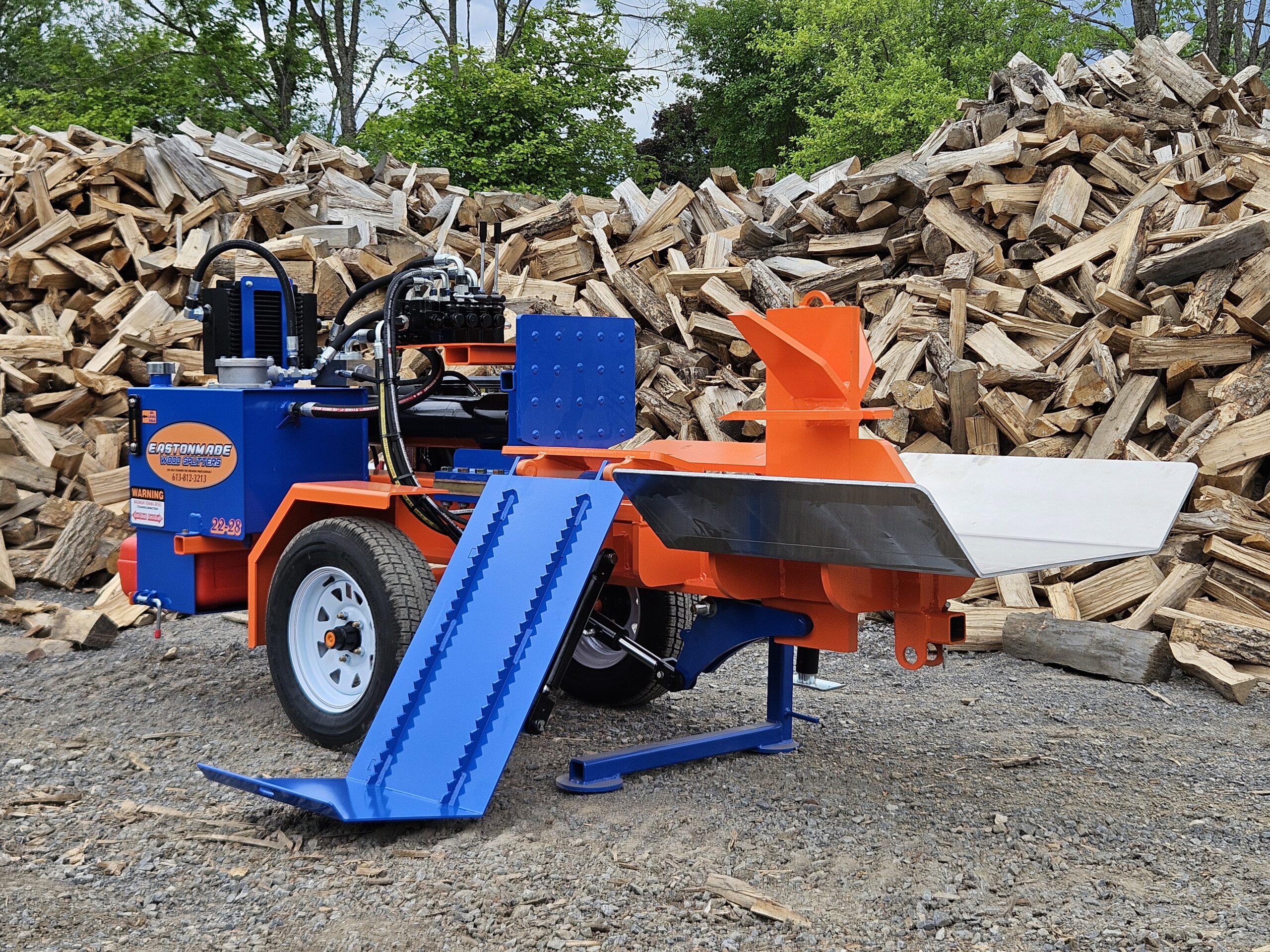
There’s a reason wood splitters have moved from specialty equipment to mainstream must-haves for rural homeowners over the past two decades. If you heat your home with wood — or even supplement your heating system with a wood stove — the ability to process your own firewood represents significant savings. A quality log splitter pays for itself in one or two seasons for most households.
But log splitters aren’t all the same. Power ratings, orientation, portability, fuel type, and cycle time vary enormously across the market. Understanding these variables will help you match the right machine to your needs — and avoid both under-buying and over-spending.
Hydraulic vs. Kinetic: The Two Main Technologies
Almost all gas and electric log splitters operate on one of two principles: hydraulic pressure or kinetic (flywheel) force.
Hydraulic splitters use a hydraulic pump to push a ram through the log. They’re slower (typically 10–20 seconds per cycle) but generate enormous force — anywhere from 7 to 40+ tons. They handle knotty, twisted, and large-diameter wood well because the sustained pressure can work through difficult grain patterns. These are the workhorses of the industry.
Kinetic splitters use spinning flywheels to store and release energy in a rapid burst. Cycle times can be as fast as 1–2 seconds, making them dramatically faster than hydraulic units. They’re well-suited for large volumes of straight-grained wood but can struggle with knotty or dense hardwoods that require sustained pressure.
Choosing Your Tonnage Rating
The splitting force of a log splitter is rated in tons. Here’s a practical breakdown:
- 5–7 tons: light duty, suitable for small softwood logs under 12 inches in diameter
- 10–20 tons: mid-range, handles most residential needs, including larger softwoods and moderate hardwoods like ash and cherry
- 22–28 tons: suitable for large-diameter logs, dense hardwoods like oak and hickory, and knotty wood
- 30+ tons: commercial or heavy-duty residential use; overkill for most homeowners but worth it for large acreage operations
For most homeowners cutting oak, maple, or hickory in the 14–20 inch diameter range, a 22-ton unit offers a good combination of performance and value. Going one tier up from what you think you need is generally good advice — you won’t regret extra force when you hit a stubborn,n knotty round.
Horizontal vs. Vertical Operation
Most mid-range and larger log splitters offer both horizontal and vertical operating positions. Horizontal splitting is ideal for lighter logs; you can easily lift them onto the beam. Vertical mode is essential for large, heavy rounds that are impractical to lift — you simply roll them into position on the ground and push the beam down to meet them.
If you’re processing large-diameter hardwood, a dual-position machine is well worth the modest price premium over a horizontal-only model.
Gas vs. Electric: Which Is Right for You?
Gas-powered splitters offer portability and serious power. They can run anywhere you have fuel, making them ideal for splitting in the woods, at a remote property, or wherever your log pile happens to be. The trade-off is engine maintenance, fuel costs, and exhaust gases. Machines shouldn’t be used in enclosed spaces.
Electric log splitters are cleaner, quieter, and require minimal maintenance. They’re well-suited for homeowners who split wood in a garage or barn and have convenient access to an outlet. They’re generally rated at lower tonnage than gas units, but modern electric models have improved significantly and can handle most residential hardwood.
Log Splitter Safety: Non-Negotiable Basics
- Never operate a log splitter alone — always have someone nearby in case of equipment malfunction or injury.
- Keep your hands clear of the ram and splitting wedge at all times — use your foot or a tool to position logs, not your finger.s
- Wear steel-toed boots and safety glasses — wood chips and splinters travel fast.
- Never exceed the listed log length for your machine. Check the hydraulic fluid level before each use and inspect hoses for cracks or leaks
- Never leave a running machine unattended, especially around children
Where to Buy
Fall is typically the best time to buy a log splitter, as demand peaks heading into winter and retailers are well-stocked. Spring clearance events can offer significant discounts on remaining inventory for those who can plan.
