
NFC Cards Use With Android And IOS
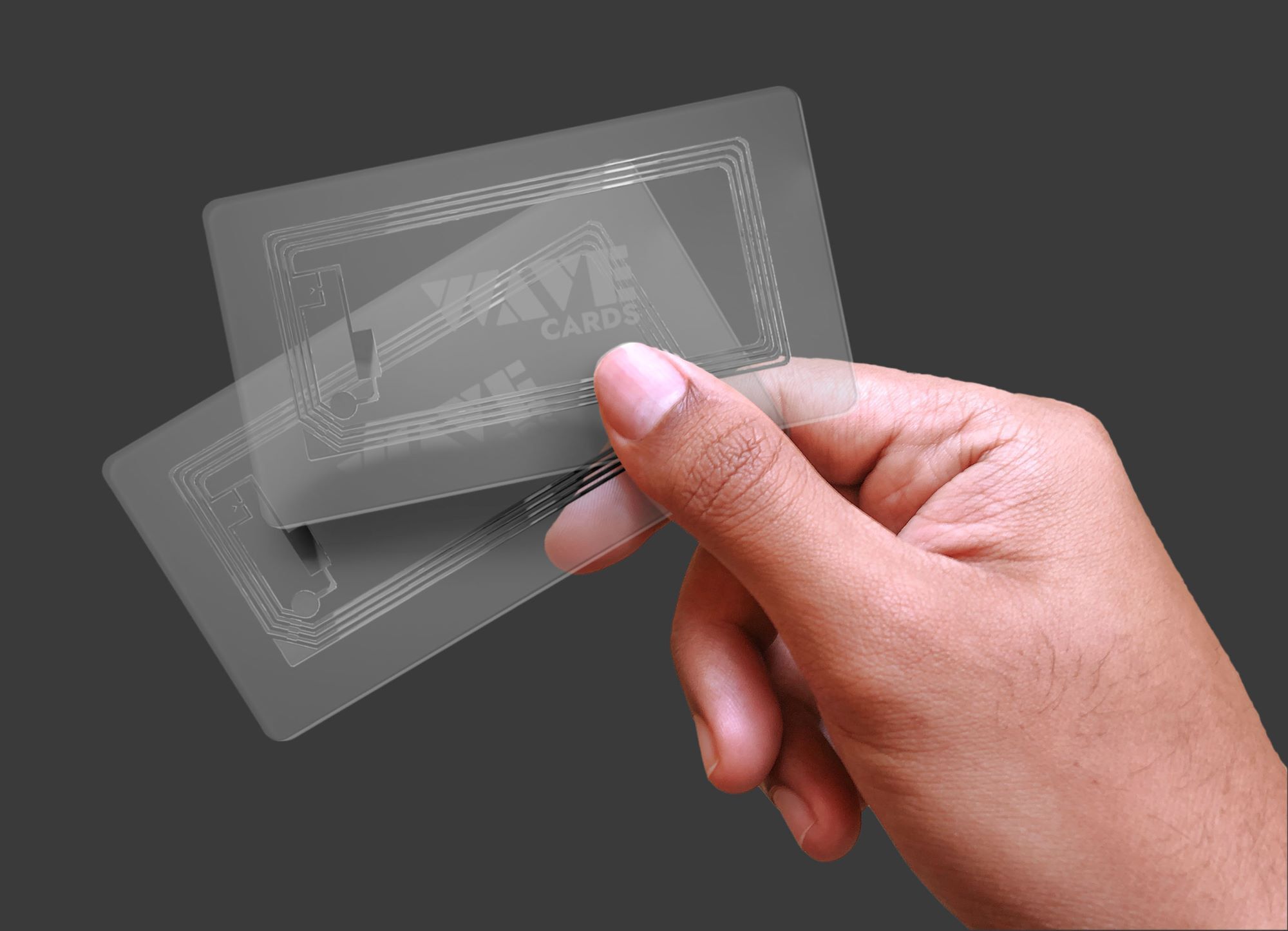
Near Field Communication (NFC) technology has become part of everyday life. From tapping a smartphone to pay at a store to opening office doors with a secure access card, NFC provides fast and convenient wireless communication over short distances. NFC-enabled cards are now widely used in businesses, schools, healthcare facilities, transportation systems, hotels, and government organizations because they offer a secure and efficient way to identify users and exchange data.
NFC works through radio frequency communication at 13.56 MHz and typically operates within a range of about 4 to 10 centimeters. The technology is based on international standards including ISO/IEC 14443, which defines how contactless smart cards and readers communicate. The short operating distance improves security because devices must be intentionally brought close together to establish communication.
The development history of NFC dates back to RFID (Radio Frequency Identification) technology introduced decades earlier. RFID systems were originally designed for tracking inventory and controlling physical access. During the early 2000s, companies including Sony and Philips (now NXP Semiconductors) collaborated to create a more advanced short-range communication system that became NFC. The NFC Forum was established in 2004 to promote standards and compatibility among devices and manufacturers. Over time, NFC expanded from access control and transit systems into smartphones, banking, identity verification, and smart automation.
Today, several different types of NFC-enabled cards are commonly used. One of the most popular categories is access control cards. These cards allow employees, students, or residents to unlock secured doors and gates by tapping the card against a reader. Businesses often combine these credentials with photo identification to create a professional and secure ID badge solution for staff members.
Another major category is payment cards. Modern debit and credit cards often include NFC chips that support contactless payment systems such as Visa payWave and Mastercard Contactless. Instead of inserting a card into a payment terminal, users simply tap the card against the reader for faster checkout experiences.
Transportation cards are another widespread use of NFC technology. Subway systems, buses, trains, and toll systems in many countries rely on NFC-enabled transit cards for rapid passenger entry. Cities such as London, Tokyo, and New York use contactless fare systems that reduce waiting times and improve convenience for commuters.
Student identification cards are also increasingly NFC-enabled. Universities and schools use them for classroom attendance, cafeteria payments, dormitory access, library checkouts, and campus security. Hospitals and healthcare facilities similarly use NFC cards for staff authentication and patient management.
Hotel key cards represent another growing application. Instead of traditional magnetic stripe cards, many hotels now issue NFC-enabled room keys that improve durability and security. Some hotels even allow smartphones to replace physical room keys entirely.
Modern NFC systems support several card technologies and protocols. Common card families include MIFARE Classic, MIFARE DESFire, NTAG, FeliCa, and ISO 14443 Type A and Type B cards. Different technologies provide varying levels of encryption, storage capacity, and security features depending on the intended use case.
Android devices have played a major role in expanding NFC adoption. Since Android 4.4 KitKat, Google introduced Host Card Emulation (HCE), allowing Android phones to emulate NFC cards without requiring specialized secure hardware in every scenario. This enabled developers to create applications for digital access credentials, loyalty programs, transit tickets, and mobile payments. Android smartphones can also read, write, and program many NFC tags directly through apps available on the Google Play Store.
Apple devices also heavily utilize NFC technology, although Apple originally restricted NFC functionality primarily to Apple Pay. Over time, Apple expanded NFC support in iPhones, enabling NFC tag reading, Shortcuts automation, hotel room access, digital car keys, and transit functionality. Apple Pay remains one of the most recognized NFC applications worldwide, allowing users to securely make payments using stored digital cards. Newer iPhones can automatically scan compatible NFC tags in the background without opening a dedicated app, making NFC interactions even more seamless.
Security remains one of the biggest advantages of NFC-enabled cards and devices. Because communication occurs only over short distances, unauthorized interception is more difficult compared to longer-range wireless technologies. Many NFC cards also include encrypted communication, authentication protocols, and secure elements designed to protect sensitive data. Advanced card types such as MIFARE DESFire provide strong encryption suitable for government IDs, enterprise access systems, and financial transactions.
Businesses continue to adopt NFC because it improves convenience while reducing operational costs. NFC cards can support multi-purpose functions, allowing a single credential to manage access control, employee identification, attendance tracking, cashless payments, and printing services. Organizations can also remotely issue or deactivate credentials, improving overall security management.
The future of NFC technology continues to evolve rapidly. Digital wallets, mobile credentials, smart buildings, IoT devices, and wearable technology are driving new NFC applications every year. Physical cards remain important, however, especially in environments where dedicated credentials are required for security, compliance, or operational efficiency. Companies increasingly use customizable NFC ID cards to combine modern wireless technology with professional branding and secure identification systems.
As NFC adoption grows across industries, the technology is becoming a standard part of daily life. Whether used in smartphones, office badges, payment cards, or transportation systems, NFC provides a fast, secure, and user-friendly solution for modern identification and communication needs.


