
How to Get Trekking Permits in Nepal?
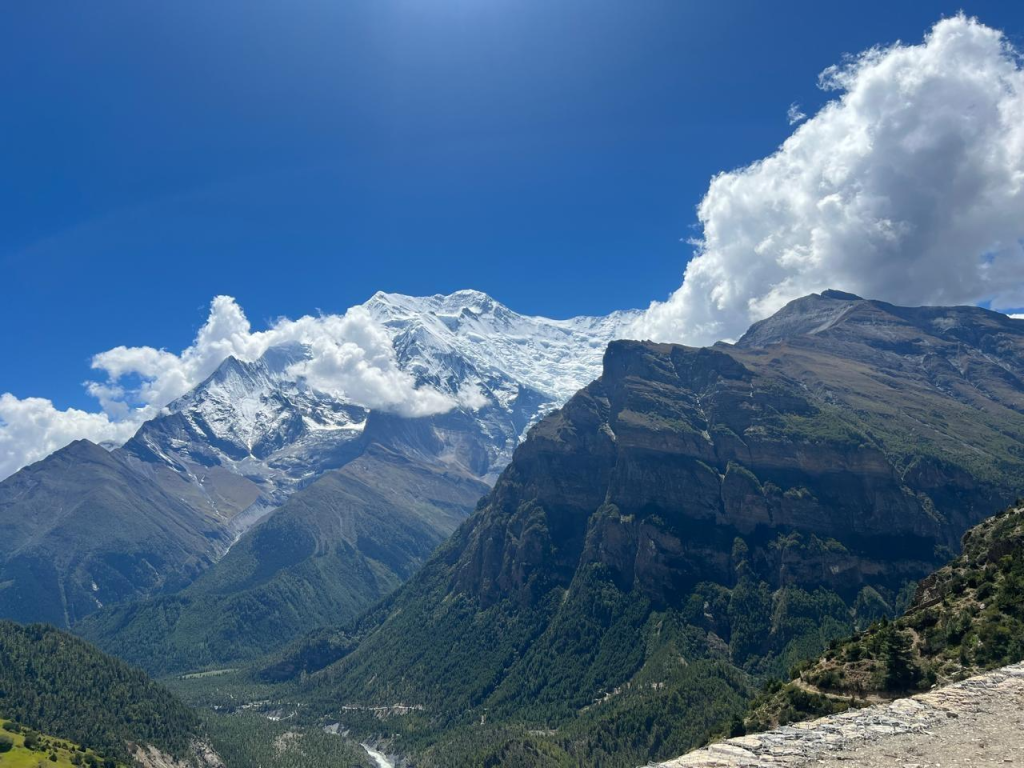
Trekking permits in Nepal are more than just paperwork; it is an essential document for ensuring that you have a safe trek and that the beautiful scenery of the country is retained. Such permits allow the government to monitor trekkers, offer assistance in case of any emergency, and aid in conservation. Without the relevant permits, trekking in Nepal is considered illegal, so don’t you think getting permits in Nepal is one of the most crucial steps for trekking?
However, many of you may think documentation work is a lot of hassle, and it is kind of true, too. Not knowing where to go, how to go, or what the requirements are for a permit can be a headache. Worry not. This article is going to guide you on the various trekking permits needed in Nepal, their prices, where to acquire them, and the application process. Whether you are planning a mainstream Annapurna Circuit Trek or a restricted area Upper Mustang Trek, now you can easily acquire permits for trekking in Nepal.
Types of Trekking Permits in Nepal
There are usually four types of permits in Nepal. You may not require all four permits when embarking on treks. For instance, when you are going for the Everest base camp trek, you don’t require a TIMS card. Likewise, when you are going for the Annapurna Base Camp trek, you do not need a restricted area permit. Similarly, if you are going for treks in a restricted area, you don’t need a TIMS card.
1. Trekkers’ Information Management System (TIMS) Card
The TIMS card is a compulsory permit for trekkers in Nepal, and this has been implemented to provide information on safety and control of the trekking activities. The TIMS card Nepal is managed by the Nepal Tourism Board (NTB) and Trekking Agencies Association of Nepal (TAAN) and contains the detailed information of the trekkers to assist the authorities in tracking the trekkers in case of emergency, such as accidents and natural disasters. You have to pay about NRS 1000 per person (around $10) if you are a SAARC national. Likewise, trekkers other than SAARC nationals have to pay NRS 2000 per person(around $20).
2. National Park & Conservation Area Permits
In Nepal, trekking in the protected areas like Annapurna, Langtang, and Sagarmatha national parks requires the use of national park and conservation area permits. The permits are used to finance the conservation activity and preserve the natural environment. The fee may vary according to the rules of the National Parks fees Nepal. For instance, the fee for the Annapurna Conservation Area for the Annapurna Circuit Permit will cost you NPR 3,000 (around $30) per person.
2. Restricted Area Permits (RAP)
Restricted Area Permits (RAP) are mandatory for trekking in sensitive and controlled regions of Nepal, such as Upper Mustang and Upper Dolpo. These permits help protect cultural heritage, preserve natural ecosystems, and ensure security near border areas. The fee may vary according to the seasons or the number of days you will be staying at such restricted areas.
4. Local Area or Rural Municipality Permit
The local-level government also grants permits to enter some parts of the region. For instance, trek to the Everest Base Camp requires you to obtain a Khumbu Pasang Lhamu Rural Municipality permit. This Everest Base Camp permit cost will be around NRP 2000(around $20). You can obtain this permit at Lukla or Monjo.
Where and How You Can Apply For a TIMS Card?
You can apply for a TIMS card in Kathmandu and Pokhara. If you are in Kathmandu, you can go to the Nepal Tourism Board. This office is located at Pradarshani Marg, just 15 minutes walking distance from Thamel. You can also obtain the TIMS card from the TAAN office in Pokhara.
Steps to Obtain a TIMS Card
- The first step is to fill out the application form.
- You should apply with the following documents and information:
- A copy of your passport
- Two passport-style photos
- Your entry and exit dates for Nepal
- Your trek’s entry and exit points
- A detailed trek itinerary
- Details of the insurance policy, like the insurance policy number, the emergency phone number of the insurance company, and what the policy covers
- a local emergency contact number
- a home-country emergency contact number
- Then you shall pay the required fees in Nepali currency for the TIMS card
- After all the document verification, the department can give you the TIMS card.
Note: You can also apply for a TIMS card online.
Where and How You Can Apply For a National Park and Conservation Area Permit?
Most of the treks in Nepal follow the routes through the national parks and conservation areas. For the National Park and Conservation Area Permit, you can apply at the Tourist Service Centre in Kathmandu, Nepal Tourism Board in Pokhara, and even at the entry points of the parks. You can even apply for permits online through the portal of the National Trust for Nature Conservation (NTNC) e-permit system.
Documents for National Park and Conservation Area Permit
- Two passport-size photos
- Detailed trek itinerary
- Entry and exit dates
- Copy of passport
Where and How You Can Apply for a Restricted Area Permit?
If you are embarking on the trek to any restricted area like Upper Mustang, Upper Dolpo, Nar Phu Valley, etc, then you cannot go on an individual or solo trek. You should be accompanied by the trekking agency, where the group must have at least two trekkers. Hence, this restricted area permit can only be obtained by the licensed trekking agencies in Nepal. The trekking agencies can apply for the Restricted Area Permit (RAP) with the Department of Immigration.
You should provide the following documents to your trekking agencies:
- Copy of Passport
- Copy of a valid visa sufficient to cover trekking days
- Program Schedule of Trekking
- Documents relating to the insurance of the trekkers
- Voucher of Bank payment for the permit
After providing all this information, the trekking agency will apply through the online application form attached with other required agency documents. Then, after reviewing the form and upon satisfaction, the department may issue the restricted area permit, which you can acquire through your agency.
Tips for Getting Trekking Permits Smoothly
- Make sure to carry multiple passport-sized photos. Even if you do not carry, you can make them easily here in Kathmandu at the photo studio within 20 minutes.
- Keep cash in Nepali rupees as most of the permit transactions will be done in Nepali currency.
- Try to apply for permits earlier. Do not wait till the last minute to apply for permits.
- When filling the form, try to check all the details like itinerary, route, date, etc. Most of the permits are applicable for a single entry and are non-refundable.
- Make sure that you carry the necessary permits with you at all times during the trek.
Trekking permits play a crucial role in conserving the beauty of Nepal while enhancing the safety of trekkers who embark on the Annapurna Base Camp Trek or any other treks of Nepal. These permits also promote responsible tourism and assist in the maintenance of the trails to be used by future adventurers. Embrace this opportunity and enjoy your trekking experience responsibly, with respect for nature and local culture.
