
Text vs Video Chat in 2026: What Works Better Now?
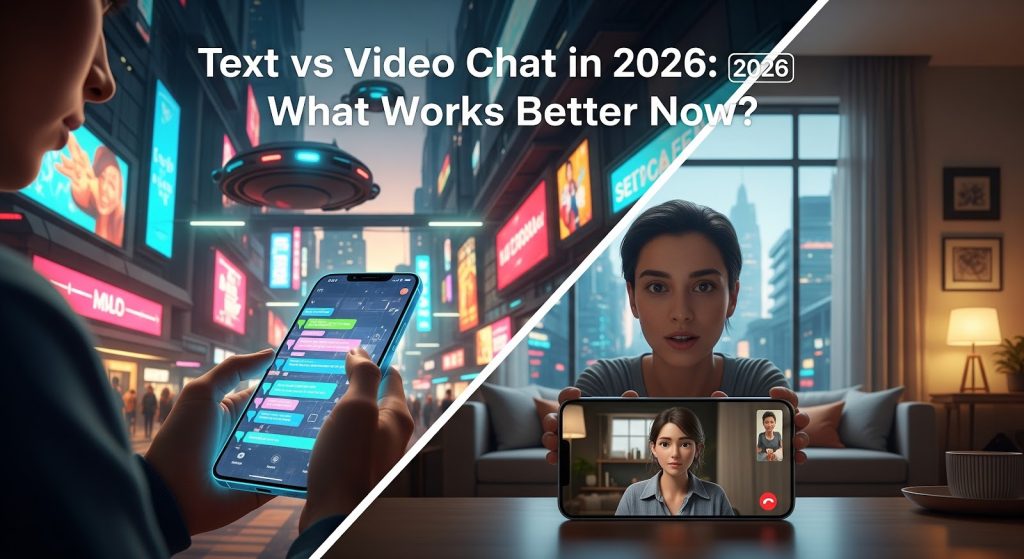
If you’ve spent even a little time in stranger chat lately, you’ve probably noticed something funny: people argue about text vs video like it’s a personality type. One side says text is safer, calmer, and less awkward. The other side says video is faster, more real, and way better for vibe-checking.
They’re both right—and also both missing the point.
In 2026, the “better” option depends less on the technology and more on what you’re trying to get out of the interaction: comfort, speed, connection, privacy, flirting, friendship, or just killing time without getting drained.
So instead of picking a team, let’s talk about what actually works now, why the landscape changed, and how to choose the mode that fits your mood (and your tolerance for chaos) on any given day.
The big shift: trust is the main currency in 2026
Back in the day, video chat felt like the “real” version and text felt like the “light” version. Now trust is the deciding factor.
Text feels safer because you control what you reveal. Video feels more trustworthy because you can see a real person—until you can’t, because deepfakes, loops, and scams exist. So each mode gained new strengths and new problems.
The result: a lot of people switch between them constantly. They start with text to test the vibe, then move to video when it feels normal. Or they use video first to avoid bots, then switch to text when they want a calmer conversation.
Text chat in 2026: why it’s still undefeated for low-pressure vibes
Text chat didn’t die. It just became the “comfort mode.”
It’s easier to be yourself
Text gives you a second to think. You don’t need perfect lighting, a good camera angle, or a high-energy personality. If you’re tired or socially anxious, text is simply easier.
It’s safer by default
You can stay anonymous with less effort:
- no face
- no background
- no voice cues
- fewer accidental identity leaks
For privacy-conscious users, text is still the cleanest option.
It’s better for slow-burn conversations
If you actually want depth—opinions, stories, real topics—text is great. Video chats often get stuck in the “vibe and skip” loop. Text lets you build rhythm.
It’s less “performance”
Video sometimes feels like you’re auditioning. Text feels like you’re just talking.
The downside of text chat in 2026
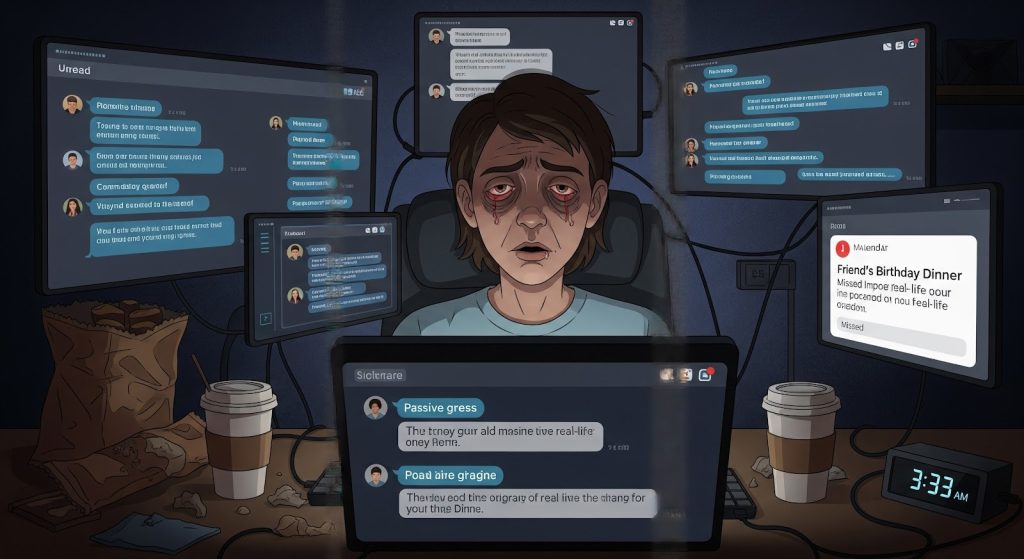
Text isn’t perfect, especially on random chat platforms.
Bots can blend in
Bots love text because it’s easy to automate. A bot can run thousands of text chats per hour. Even with anti-spam filters, scripted conversations still slip through.
Misunderstandings happen faster
Without tone and facial cues, sarcasm can look rude and jokes can fall flat. Some people interpret short replies as coldness when you’re just typing quickly.
Some users treat text like a waiting room
You’ll meet people who are only using text to collect socials or push links. If you notice a fast “Snap?” or “Telegram?” request, that’s a classic red flag.
Video chat in 2026: what it’s best at now
Video chat is still the fastest way to answer one important question: “Is this a real human and do we vibe?”
You get instant context
You can read:
- facial expressions
- energy level
- whether they’re engaged or bored
- whether they’re creepy or respectful
That saves time.
It’s better for playful, spontaneous interaction
Video is simply more fun when it’s good. Quick jokes land better. Shared reactions feel real. It can feel like meeting someone in a hallway rather than exchanging messages.
It reduces “text-only spam”
Scammers and bots exist on video too, but running convincing video scams is harder than running text scripts. That’s why some users prefer video: fewer boring automated chats.
The downside of video chat in 2026
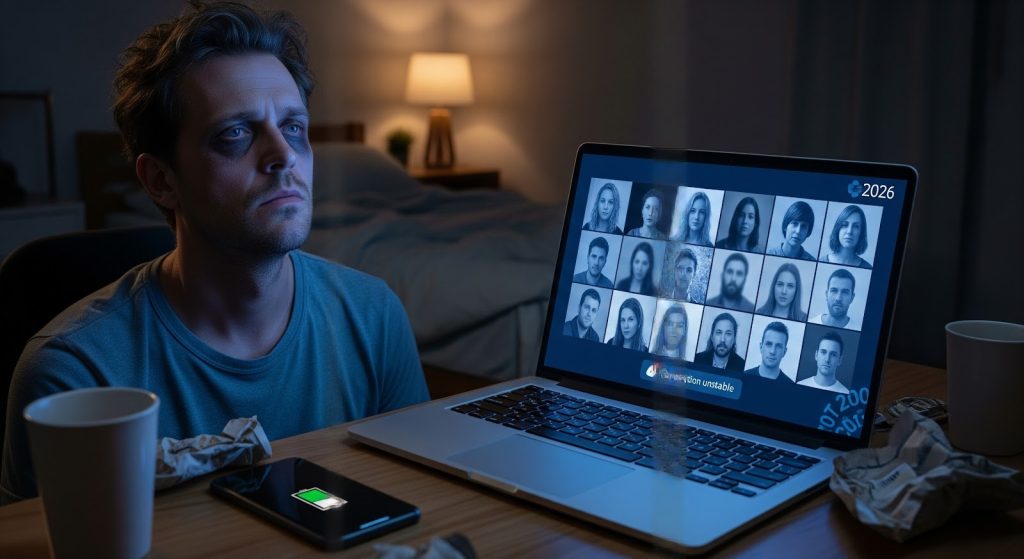
Video chat has its own tax.
It’s higher risk for privacy
Your face, your voice, and your background can reveal a lot. Even if you don’t say your name, you might reveal:
- your city through accent and cues
- your workplace through a badge
- your identity through a reflection or a mail envelope behind you
It’s more emotionally intense
Video is more “social energy.” Some days you’re not in the mood to be perceived. Video forces you into being “present” in a way text doesn’t.
It’s more vulnerable to scams that use pressure
Some video scams rely on shock, embarrassment, or urgency. If someone tries to push you into doing something fast, video can amplify that pressure.
So… which works better now?
Instead of declaring a winner, here’s the real answer:
Text wins when you want control
- you’re tired
- you want privacy
- you want a slower conversation
- you don’t want to show your face
- you want to avoid the “camera performance” vibe
Video wins when you want speed and vibe-checking
- you want fast chemistry or quick “is this normal?”
- you want to avoid endless text bots
- you enjoy spontaneous energy
- you want to see who you’re talking to right away
The best move in 2026 is switching modes intentionally
A lot of people treat it like:
- start with text to test safety and vibe
- switch to video if it feels good
- switch back to text if video feels too intense
That flexibility is the actual “meta” now.
The hybrid strategy: how people use both without getting drained
If you want the best of both worlds, try this flow.
Start with a low-effort text opener
Something like:
- “Quick vibe check: what are you here for—chatting or just killing time?”
- “What’s a topic you can talk about for 5 minutes?”
You’ll quickly see if they’re human, responsive, and curious.
Move to video only after a green flag
Green flags:
- they answer with effort
- they ask you something back
- they don’t push links or socials immediately
- they respect boundaries
Then video becomes fun instead of risky.
Keep your exit easy
If the vibe changes, leave. In random chat, leaving is normal. The “awkwardness tax” goes down when you treat it like browsing.
What changed after Omegle—and why it matters for this debate
A lot of users still use “Omegle” as a generic word for stranger chat. Even though the original era shifted, the behavior patterns stayed: quick matching, casual conversations, lots of skipping, lots of people looking for a specific vibe.
That’s why newer platforms that try to carry that spirit feel familiar. For example, many people describe Omegla as the new Omegle in terms of how it captures that fast, random, one-on-one style (with the modern reality of more moderation tools and more competition in the space).
And it’s also why the text vs video debate is sharper now: people want the old spontaneity, but they also want modern safety and less spam.
The privacy reality: text is easier, video is manageable
If anonymity is your priority, text is naturally safer. But video can still be used safely if you do a few simple things:
Keep your background boring
Plain wall or curtain. No mail, no badges, no reflections.
Don’t share exact location
Country-level is enough.
Avoid moving off-platform
As soon as you exchange socials, anonymity is basically gone.
Assume anything can be recorded
That mental model alone prevents 90% of regrets.
The quality reality: video feels more “real,” text feels more “steady”
This is the emotional difference people often mean but don’t say.
Text is steady. You can keep a conversation going even if one person is shy. Video is real, but it’s fragile: if the vibe is off, it collapses faster. If the connection is laggy, it feels worse. If someone is awkward, the awkwardness is louder.
So if your goal is “a decent conversation,” text often wins.
If your goal is “a quick spark,” video often wins.
The scam angle: where each mode gets exploited
Text scam patterns
- “Add me on Telegram”
- “Here’s my link”
- scripted flirting that leads to a funnel
- bots that ask the same questions repeatedly
Video scam patterns
- pre-recorded loops
- pressure tactics
- people trying to get you embarrassed or impulsive
- extortion threats (rare, but real)
The defense in both cases is similar: don’t click links, don’t rush off-platform, and leave when pressured.
What works better now depends on your mood (and that’s fine)
One of the healthiest changes in 2026 is people stopping the “one true platform” mindset. Some nights you want text because you’re mentally full. Some nights you want video because you want a real laugh with a stranger. Some days you want neither.
The win is being honest with yourself about what you want, then choosing the mode that matches it instead of forcing a vibe.
