
Titanium non-stick Cookware: The Ultimate Guide to Durable, Safe, and Effortless Cooking
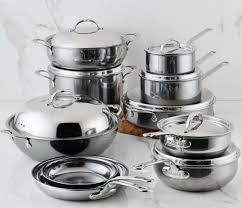
Modern kitchens have evolved dramatically in the past few decades. Gone are the days when heavy cast-iron pans or easily scratched Teflon cookware dominated the shelves. Today’s home chefs and culinary enthusiasts seek tools that combine performance, safety, and ease of maintenance — and titanium non-stick cookware perfectly meets that demand. This innovative cookware type has taken the culinary world by storm, offering a combination of durability, heat efficiency, and a superior non-stick experience.
In this guide, we’ll explore what titanium non-stick cookware is, how it’s made, why it’s considered one of the most reliable kitchen investments, and how to care for it properly. Whether you’re setting up a new kitchen or upgrading your cookware collection, understanding what makes titanium non-stick pans exceptional can help you make a confident choice.
What Is Titanium Non-stick Cookware?
Titanium non-stick cookware refers to pots and pans made using titanium — either as a base material, a coating, or a reinforcement in the non-stick surface. Titanium is known for its strength-to-weight ratio, corrosion resistance, and biocompatibility, making it one of the most desirable materials for cookware production.
There are two main types of titanium cookware that include non-stick properties:
- Titanium-Reinforced non-stick Cookware:
In this type, the base of the cookware (usually aluminum) is coated with a non-stick layer that has been reinforced with titanium particles. This design enhances durability, prevents scratching, and ensures a smoother cooking surface. - Pure Titanium Cookware with Natural non-stick Properties:
While rare and more expensive, pure titanium cookware can develop a naturally slick surface over time, especially with proper seasoning. However, most modern “titanium non-stick” pans rely on a titanium-infused coating to deliver consistent performance.
The Science Behind Titanium non-stick Surfaces
The non-stick coating in titanium cookware isn’t just about convenience — it’s a result of advanced materials engineering. Traditional non-stick coatings (like PTFE or ceramic) can wear down with frequent use, high heat, or metal utensils. Titanium reinforcement changes that equation.
When titanium particles are integrated into the non-stick coating, they:
- Increase surface hardness, making it far more scratch-resistant.
- Distribute heat evenly, reducing hot spots and preventing food from sticking.
- Protect against corrosion, ensuring the surface doesn’t degrade over time.
- Extend the lifespan of the cookware, even under regular use.
This results in cookware that performs consistently over years of cooking, with minimal signs of wear and tear.
Benefits of Titanium non-stick Cookware
There are many reasons titanium non-stick cookware is rapidly becoming a kitchen essential. Below are the most notable advantages:
1. Exceptional Durability
Titanium is one of the strongest elements, and when used in cookware, it resists dents, scratches, and warping. Unlike traditional non-stick pans that may lose their coating quickly, titanium non-stick cookware maintains its smooth surface even with daily use.
2. Lightweight Yet Strong
Unlike cast iron or stainless steel, titanium cookware is surprisingly light. This makes it easier to handle, especially for those who cook frequently or have mobility limitations. Despite its low weight, titanium retains high structural integrity and stability.
3. Non Toxic and Safe
One of the biggest concerns about older non-stick cookware was the use of harmful chemicals such as PFOA and PFAS. Modern titanium non-stick coatings are free from these substances. Titanium itself is non reactive and non toxic, meaning it won’t leach harmful materials into your food — even at high temperatures.
4. Effortless Cooking and Cleaning
Thanks to its non-stick surface, titanium cookware requires very little oil or butter, supporting healthier cooking habits. Cleanup is equally simple — a soft sponge and warm soapy water are often all you need to remove residue.
5. Energy Efficiency
Titanium cookware heats quickly and evenly, allowing you to cook efficiently at medium or low heat settings. This saves energy and helps preserve the nutritional quality of your meals.
6. Corrosion and Rust Resistance
Unlike traditional metal pans, titanium does not rust or corrode. This property makes it ideal for humid environments or outdoor cooking.
How to Choose the Right Titanium non-stick Cookware
With many varieties available, selecting the right titanium non-stick cookware depends on your cooking style, budget, and preferences. Here are some key considerations:
1. Base Material
Most titanium non-stick cookware uses an aluminum base for better heat conduction. Look for hard-anodized aluminum bases as they’re more durable and less likely to warp.
2. Type of Coating
Opt for cookware labeled as titanium-reinforced ceramic or titanium-infused non-stick. These coatings offer superior performance compared to standard non-stick surfaces.
3. Compatibility with Cooktops
If you use an induction cooktop, make sure your titanium cookware includes a magnetic stainless-steel base for compatibility. Not all titanium cookware is suitable for induction cooking.
4. Oven and Dishwasher Safety
If versatility is important, check if your cookware can withstand oven temperatures and dishwasher cycles. While handwashing is recommended, oven-safe cookware expands your cooking possibilities.
5. Handles and Lids
Ergonomic, heat-resistant handles improve comfort and safety during use. Tempered glass lids are also useful for monitoring cooking without lifting the lid and losing heat.
Caring for Titanium non-stick Cookware
To ensure your cookware lasts for many years, follow these care guidelines:
- Avoid Metal Utensils:
While titanium-reinforced coatings are tough, metal tools can still cause micro-scratches over time. Use silicone, wood, or nylon utensils instead. - Low to Medium Heat Cooking:
Titanium cookware retains heat well, so cooking on medium heat is usually sufficient. Overheating can damage even the strongest non-stick coatings. - Hand Wash When Possible:
Although many titanium non-stick pans are dishwasher-safe, gentle handwashing preserves their coating longer. - Avoid Abrasive Cleaners:
Skip steel wool or harsh scrubbers. A soft sponge with mild detergent is ideal. - Proper Storage:
Stack your pans with protective cloth or paper towels in between to prevent surface scratches.
Is Titanium non-stick Cookware Worth It?
For many home cooks, titanium non-stick cookware strikes the ideal balance between convenience and quality. While it may cost slightly more than traditional non-stick options, its superior durability and safety make it a long-term investment. Whether you’re frying eggs, searing meats, or simmering sauces, titanium cookware consistently delivers reliable results.
Its ability to withstand daily wear, resist scratching, and maintain an easy-to-clean surface means you’ll spend less time scrubbing and more time enjoying your meals. Plus, with its lightweight design, it’s a great choice for both beginner and experienced cooks.
Final Thoughts
Titanium non-stick cookware represents a new era in home cooking — one that prioritizes health, performance, and longevity. Combining the resilience of titanium with the ease of non-stick surfaces, it offers a perfect mix of modern innovation and practical function. From daily stir-fries to delicate sauces, every meal becomes a smoother, cleaner, and more enjoyable experience.
If you’re looking for cookware that stands the test of time while delivering effortless results, titanium non-stick cookware deserves a spot in your kitchen.
