
Is Imu Luffy’s mother?
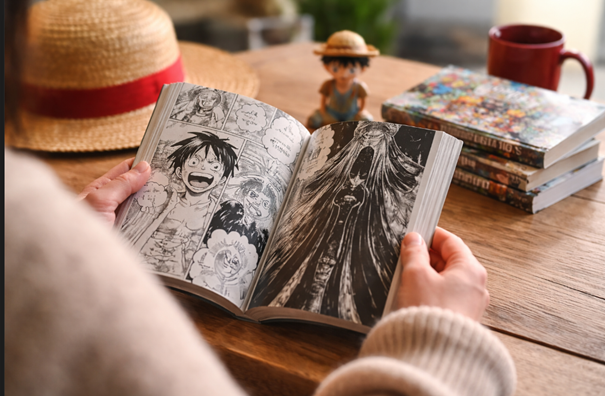
The world of One Piece hides secrets like a locked treasure chest at the bottom of the ocean. Every time Eiichiro Oda reveals a new clue, fans dissect it with almost forensic precision. Among the boldest recent questions circulating online is this: could Imu, the shadowy ruler of the World Government, actually be Luffy’s mother? The idea sounds shocking at first glance. Still, when you examine the layers of mystery surrounding both Imu and Monkey D. Luffy’s family history, the theory becomes intriguing. Readers searching for clarity want more than speculation; they want canon evidence, narrative coherence, and a grounded explanation of what is possible inside Oda’s universe. This article breaks down what we truly know about Imu, what is confirmed about Luffy’s lineage, and whether this theory holds any structural weight within the story. No exaggeration, no wild fantasy just a detailed look at the facts and the logic behind one of the fandom’s most debated questions.
Who is imu in one piece?
Imu stands at the very top of the World Government, a position so secret that even the Five Elders bow before them. Introduced during the Reverie arc, Imu’s existence shattered the long-standing belief that the World Government was led collectively. Instead, the Empty Throne—symbol of shared power—was revealed to be an illusion. Someone sits there, hidden in shadows. That figure is Imu. What makes Imu especially fascinating is the deliberate lack of detail. Oda avoids clear gender markers. Imu’s face remains partially obscured. Their speech is limited. Their motives remain veiled. This ambiguity fuels speculation, including theories about Imu’s identity, age, and potential connections to major characters.
Imu appears deeply connected to the mysterious Void Century, the Ancient Kingdom, and possibly the use of devastating ancient weapons. The destruction of Lulusia Kingdom strongly implies access to overwhelming power. That level of authority suggests longevity, influence, and knowledge spanning centuries. From a structural storytelling perspective, Imu functions as a final antagonist figure—an embodiment of hidden tyranny. The character symbolizes control from the shadows, the opposite of Luffy’s freedom-driven philosophy. This thematic contrast matters when evaluating theories about familial connections.
What do we know about luffy’s family?
Monkey D. Luffy’s family background is unusual but partially documented. His father is Monkey D. Dragon, leader of the Revolutionary Army. His grandfather is Monkey D. Garp, legendary Marine hero. His mother, however, has never been officially revealed in the manga.
Oda once stated in an SBS that Luffy’s mother is not central to the story. That comment often gets overlooked. While Oda enjoys surprises, he rarely contradicts core narrative intentions without strong payoff. The absence of information about Luffy’s mother does not automatically signal a grand twist.
Key known elements include:
- Monkey D. Dragon
- Monkey D. Garp
- The Will of D.
- The Revolutionary Army
- The World Government
The Monkey D. lineage traditionally represents opposition to oppressive power structures. Dragon directly challenges the World Government. Garp works inside it yet resists corruption. Luffy embodies pure freedom. If Imu were connected to this bloodline, the narrative implications would be enormous.
Fans who collect One Piece figures often highlight the symbolic contrast between Luffy and the World Government in display setups. That visual opposition mirrors the thematic divide within the story itself. Turning Imu into Luffy’s mother would collapse that symbolic separation.
Is there any canon evidence linking imu to luffy?
At present, there is no direct canon evidence connecting Imu to Luffy through blood. No dialogue hints at it. No visual cue confirms resemblance. No flashback references such a relationship. The theory primarily relies on narrative shock value rather than textual support. Some fans argue that Imu’s ambiguous appearance could conceal feminine traits. Still, ambiguity does not equal confirmation. Oda frequently uses silhouettes for suspense. Many characters appeared mysterious before their full reveal without being secretly related to protagonists.
Another argument suggests that making Imu Luffy’s mother would raise emotional stakes. That logic assumes that family twists automatically improve drama. In One Piece, emotional power often comes from chosen family, friendship, and inherited will rather than biological surprise.
From a thematic standpoint, Luffy fights systems, not parents. His journey is about liberating oppressed nations and uncovering hidden history. If Imu were his mother, the final conflict might shift from ideological liberation to personal family drama. That shift would alter the tone of the entire series. Collectors browsing premium anime figures frequently discuss how villains and heroes represent opposing worldviews. That contrast is central to One Piece. Blurring that line through a secret parent twist risks weakening the symbolic structure built over more than twenty years.
Would the theory fit one piece’s storytelling logic?
To assess plausibility, consider Oda’s long-term narrative patterns. Major twists in One Piece usually expand worldbuilding rather than shrink it into coincidence. Revealing Ace as Roger’s son deepened the era of piracy. Revealing Sanji’s Vinsmoke lineage expanded political intrigue. Those twists opened the world outward. Making Imu Luffy’s mother would narrow the conflict inward. It would transform the global struggle between freedom and oppression into a family dispute. That kind of twist aligns more with melodrama-heavy series than with Oda’s broader political and historical themes.
The thematic clash between freedom and control
Luffy represents absolute freedom. His Devil Fruit awakening reinforces that concept by turning battles into expressions of liberation. Imu, by contrast, represents concealed domination. The Empty Throne symbolizes fake equality masking centralized authority. If Imu were Luffy’s mother, the conflict becomes symbolic of rebellion against a parent. That reading feels reductive compared to the larger ideological war already established. One Piece consistently frames its ultimate struggle as systemic, not personal. The Revolutionary Army fights injustice worldwide, not one individual family member.
The “Will of D.” adds another dimension. Those who carry it often challenge the established order. If Imu were connected by blood to a D. family member, it would complicate the long-standing narrative of inherited opposition. Oda tends to use the Will of D. as a unifying mystery across generations, not as a secret family betrayal device.
The mystery of luffy’s mother
Oda’s comment suggesting Luffy’s mother is not especially important should not be dismissed lightly. While authors sometimes mislead readers, Oda usually plays fair with foreshadowing. A twist of this magnitude would require substantial groundwork. There are no recurring symbols linking Imu to Dragon. No flashbacks implying a forbidden romance. No visual parallels suggesting maternal design elements. When Oda plans a revelation, he typically seeds subtle clues years in advance. The absence of those seeds weakens the theory.
That said, One Piece thrives on unpredictability. The sea itself shifts without warning, like a storm that changes direction mid-voyage. Absolute certainty remains impossible until the story concludes. Still, based on current evidence, the probability remains extremely low.
So, could imu be luffy’s mother?
From a purely speculative standpoint, anything remains possible until officially denied. From a structural, thematic, and evidentiary perspective, the theory lacks foundation. There is no confirmed link, no narrative necessity, and no clear storytelling advantage. Imu functions as the embodiment of hidden global tyranny. Luffy embodies boundless freedom and inherited will. Their opposition feels ideological rather than familial. Turning that dynamic into a biological twist risks diminishing the scale of the conflict.
The idea that Imu could be Luffy’s mother sparks imagination and lively debate. Still, when measured against canon facts and storytelling logic, the theory stands on fragile ground. One Piece builds tension through history, ideology, and inherited dreams more than through secret parentage. Until Oda reveals more about Imu’s identity and Luffy’s mother, the safest conclusion is this: the mystery remains compelling, yet the connection appears unlikely. What matters most is how these characters shape the fate of the world not who shares their blood.
